Unlocking the Future: How Tokenized Assets Are Revolutionizing the DePIN Ecosystem with CocoCat
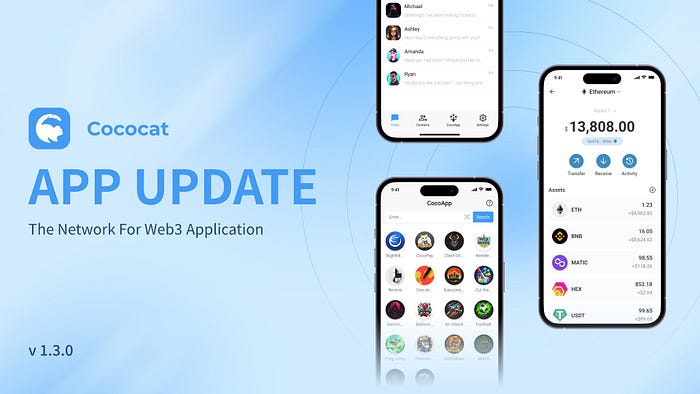
In the rapidly evolving landscape of digital assets and decentralized technologies, tokenized assets have emerged as a transformative force. By bridging the gap between physical infrastructure and digital economies, tokenized assets are driving significant innovations, particularly within the Decentralized Physical Infrastructure Network (DePIN) ecosystem. CocoCat, a pioneering platform in this space, exemplifies how tokenized assets can reshape our approach to ownership, management, and utilization of both digital and physical assets.
The Rise of Tokenized Assets
Tokenized assets refer to the digital representation of real-world assets on a blockchain. These assets can range from real estate and commodities to intellectual property and securities. The tokenization process involves creating a digital token that represents ownership or a stake in the physical asset, enabling seamless transactions, fractional ownership, and enhanced liquidity.
One of the key advantages of tokenized assets is their ability to democratize access to investment opportunities. Traditional barriers, such as high entry costs and regulatory hurdles, often prevent individuals from participating in lucrative asset markets. Tokenization, however, allows for fractional ownership, enabling investors to buy and sell small portions of high-value assets. This fractionalization not only broadens the investor base but also increases the liquidity of traditionally illiquid assets.
Integrating Tokenized Assets with DePIN
The DePIN ecosystem leverages decentralized technologies to build and manage physical infrastructure. By integrating tokenized assets into this framework, DePIN can offer enhanced transparency, efficiency, and security. Blockchain technology ensures that all transactions and ownership records are immutable and publicly verifiable, reducing the risk of fraud and enhancing trust among participants.

The Impact on Traditional Markets and Industries
The integration of tokenized assets within the DePIN ecosystem, facilitated by platforms like CocoCat, is set to disrupt traditional markets and industries. Real estate is one of the most significant sectors poised for transformation. Tokenization can simplify property transactions, reduce transaction costs, and increase market transparency. By enabling fractional ownership, tokenization also makes real estate investment accessible to a broader audience.
The energy sector is another area where tokenized assets and DePIN can drive innovation. Renewable energy installations, such as solar panels and wind farms, can be tokenized, allowing investors to buy and sell energy credits. This can create a more efficient and transparent energy market, incentivizing the adoption of renewable energy sources.
Furthermore, tokenized assets can revolutionize supply chain management by providing real-time tracking and verification of goods. By tokenizing physical assets within the supply chain, companies can ensure the authenticity and provenance of products, reducing the risk of fraud and counterfeiting.
Future Prospects and Challenges
The future of tokenized assets within the DePIN ecosystem looks promising, with significant potential for growth and innovation. However, several challenges need to be addressed to realize this potential fully. Regulatory frameworks for tokenized assets are still evolving, and there is a need for clear and consistent regulations to ensure market stability and investor protection.
Additionally, technological advancements are required to improve the scalability and interoperability of blockchain networks. As the adoption of tokenized assets grows, blockchain platforms must handle increased transaction volumes while maintaining high security and efficiency levels.
Conclusion
Tokenized assets are at the forefront of the digital transformation of physical infrastructure, offering unprecedented opportunities for democratization, efficiency, and transparency. The DePIN ecosystem, with the support of innovative platforms like CocoCat, is poised to harness the power of tokenized assets to build a more decentralized, secure, and inclusive economic landscape. As we navigate the challenges and opportunities ahead, it is clear that tokenized assets will play a crucial role in shaping the future of decentralized economies and physical infrastructure management.


Comments
Post a Comment